
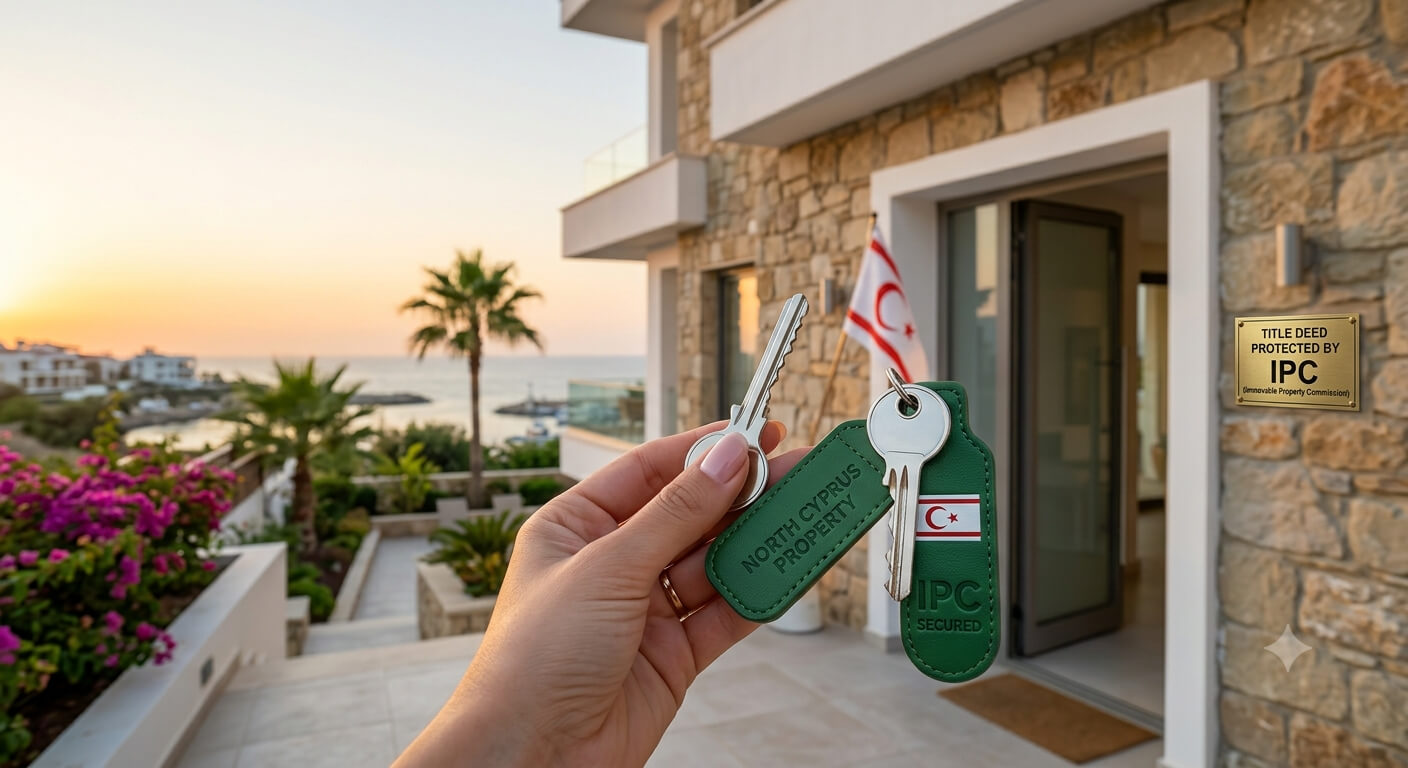
How the Immovable Property Commission (IPC) Safeguards North Cyprus Homebuyers
Buying property abroad is an incredibly exciting step, but it is completely natural to feel a wave of anxiety when researching the legal landscape of Northern Cyprus. You might have run into terms like “historical claims” or “disputed lands” and wondered: Is my hard-earned money actually safe?
The short answer is yes, thanks to a powerful legal buffer known as the Immovable Property Commission (IPC).
The Legal Shield: How the Immovable Property Commission Safeguards North Cyprus Homebuyers
What is the IPC?
Established as a direct response to rulings by the European Court of Human Rights (ECHR), the IPC was created to resolve property disputes arising from the historical division of the island. Its main goal is to provide a fair, internationally recognized legal forum to settle claims made by former landowners.
The most important detail for you to know as a buyer is that the ECHR has officially recognized the IPC as an “effective domestic remedy”. This recognition changes everything for property safety.
Read our comprehensive Guide to North Cyprus Title Deeds.
How It Protects You from Legal Battles
Before the IPC was recognized, buyers feared being caught in a legal tug-of-war between local authorities and former owners. The IPC completely removes you from that equation in two major ways:
- It Diverts Claims Away from You: If a former landowner wishes to make a claim on the land your property is built on, they cannot sue you directly in international courts. They are legally required to take their claim directly to the IPC.
- The State Steps In: Once a claim is filed with the commission, the local administration and its backing government step in as the primary defendants. They handle all negotiations, paperwork, and legal proceedings while you continue to enjoy your home.
Learn more about the North Cyprus Legal Process for Property Buyers.
Essentially, the IPC acts as a legal firewall. It ensures that any historical disputes are settled at the state level, leaving your private ownership undisturbed and secure.
The Financial Shield: What Happens If Someone Claims the Land Beneath Your Home?
The biggest fear for many overseas buyers is a worst-case scenario: Could a former owner knock on my door and force me to leave my home?
This is a very common anxiety, but understanding how the IPC operates financially can completely set your mind at ease. The commission is designed to ensure that even if a claim is successful, you do not lose your property or pay a single penny out of pocket.
Restitution vs. Compensation: The Modern Property Rule
The IPC has the power to resolve claims in three ways: returning the land (restitution), exchanging it for another piece of land, or paying financial compensation to the former owner.
If you are buying a modern apartment, villa, or development built after the island’s division, restitution is virtually never granted. International legal standards state that if land has been significantly improved or built upon, returning the raw land is impractical. Instead, the IPC resolves the claim by paying the former owner direct financial compensation for the value of the land.
Who Pays the Bill?
You might wonder where the money for these massive payouts comes from. It does not come from you.
The local administration has established dedicated funds to handle these payouts. These funds are regularly replenished through property transfer taxes and government contributions. When a settlement is reached, the state pays the former owner directly. The original owner receives their compensation, and in return, any historical claim on your land is permanently cleared.
Here is exactly how this hands-off process protects you if a claim is ever made:
1. Claim Submission
Step 1: The former landowner submits a formal claim along with their historical property documents to the IPC. Your name is not on this lawsuit; the claim is made against the state.
2. State Review and Defense
Step 2: The commission reviews the land history. State attorneys step in to handle the case, assess the land’s historical value, and manage all legal negotiations.
3. Compensation Awarded
Step 3: Because your home is a modern, developed property, the IPC rules out returning the physical land. Instead, they calculate a fair financial compensation package for the claimant.
4. State Payout
Step 4: The state pays the compensation directly from its dedicated IPC fund. The claimant signs a friendly settlement, legally relinquishing all future claims to the land. Your title deed is now permanently unassailable.
Your Path to Peace of Mind
While the IPC provides an incredibly robust safety net, it should always be paired with proper due diligence. When purchasing, always work with an independent, registered lawyer who can perform a thorough search on the land’s history and ensure your contract is registered correctly.
With the legal backing of the IPC and the help of a trusted independent lawyer, you can look forward to your new Mediterranean lifestyle with complete confidence and peace of mind.




Join The Discussion